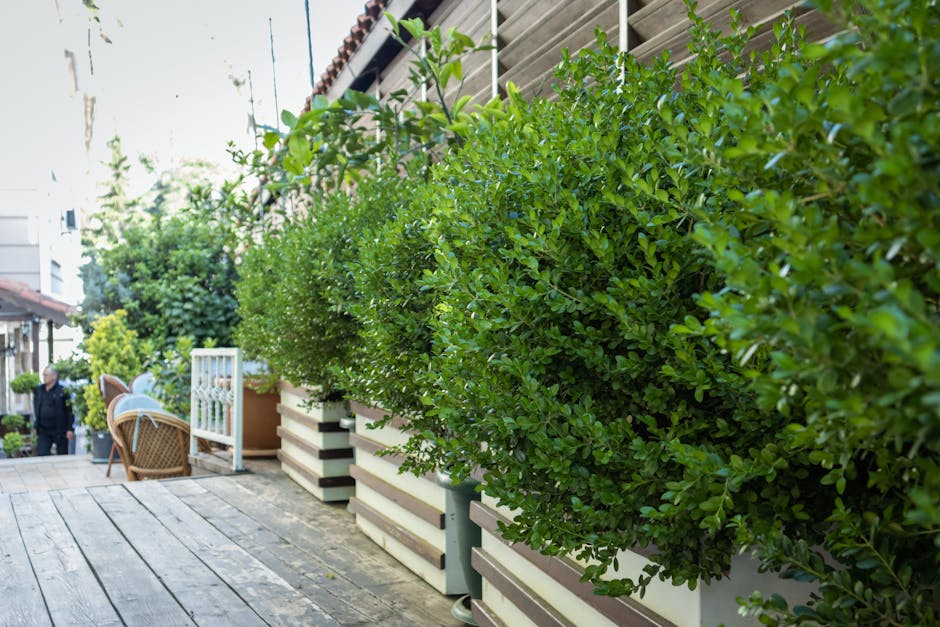
Best garden maintenance in W2 for narrow terraces

If you live in W2 and your outdoor space is a narrow terrace, you already know the truth: a small garden can be surprisingly demanding. It fills with clutter fast, plants lean for light, and one wet week can make the whole area feel cramped and muddy. The good news? The best garden maintenance in W2 for narrow terraces is not about doing more. It is about doing the right things, in the right order, with a plan that suits tight access, limited storage, and the way London terraces actually live day to day.
This guide walks through what good maintenance looks like, why it matters, how the process works, and what to look for if you want a neat, resilient terrace garden rather than a space that always seems half-finished. You will find practical guidance, common mistakes, and a realistic checklist you can use straight away. No fluff. Just the useful bits.
Why best garden maintenance in W2 for narrow terraces matters
Narrow terraces in W2 tend to work hard. They are often small, visible from the house, and used for more than one purpose: a morning coffee spot, a place for herbs, somewhere for a child to potter, or simply a quiet view from the kitchen. When maintenance slips, the whole space can feel like it has shrunk overnight. A few overgrown stems, a bit of leaf build-up, and suddenly the garden looks tired.
In a compact terrace, small problems become big problems quickly. A blocked drain edge can lead to standing water. A climbing plant can crowd out light. A narrow path can become slippery. And because access is usually tight, jobs that would be simple in a bigger garden take a bit more thought. Not harder, necessarily. Just more precise.
That is why local, tailored maintenance matters. It is not about turning a terrace into a show garden. It is about keeping the space usable, clean, safe, and pleasant through the seasons. If you are comparing garden maintenance options, it helps to think beyond one-off tidying and look for regular care that understands small-space gardening. For a broader service overview, you can also look at the site's services overview and the dedicated garden maintenance page.
Expert summary: In narrow W2 terraces, the best maintenance is often a mix of routine trimming, tidy clear-outs, light pruning, careful watering, and small improvements that stop the garden from becoming awkward to use. It is less dramatic than a full redesign, but honestly, that is what keeps it working.
How best garden maintenance in W2 for narrow terraces works
A good maintenance visit for a narrow terrace starts with observation. What is getting too much light? What is getting none? Where is debris collecting? Which plants are thriving and which are simply hanging on? The answer to those questions shapes the work. That is the bit people often miss. Maintenance is not just trimming everything to the same height and hoping for the best.
Typically, the work is grouped into a few practical actions. These may include light pruning, hedge or climber control, mowing if there is a small lawn strip, weed removal, leaf clearance, soil refresh, watering checks, and keeping paths or decking safe and clean. If the terrace has a trellis, raised beds, or container planting, those need a different rhythm again. Containers dry out faster, so you may need more regular monitoring, especially in warmer spells or windy conditions.
For many W2 homes, access is the main constraint. Tools need to be carried through the property, waste has to be handled carefully, and the work must be tidy from start to finish. That sounds obvious, but it changes the whole approach. A maintenance team that is used to narrow access will work in smaller passes, protect surfaces, and avoid leaving the garden looking like a mid-project mess. Nobody wants that look at 5 pm on a Tuesday.
Depending on what is in the garden, maintenance may overlap with other services. For example, if the area has dense hedging along a boundary, a little hedge trimming may be needed. If the terrace has a worn or slippery surfaced area, some properties benefit from decking services or related upkeep. And if the garden has grown out of hand after a long stretch of neglect, a cleaner reset may be needed first through garden clearance.
Key benefits and practical advantages
The benefits of proper maintenance in a narrow terrace are wider than appearance. Yes, the garden looks tidier. But the real value is in how the space feels and functions through the week.
- Better use of limited space: When plants are controlled and clutter is removed, the terrace feels bigger. Even ten centimetres of breathing room matters.
- Healthier planting: Pruning, feeding, and sensible watering help plants stay balanced instead of competing in a crowded corner.
- Less slipping and mess: Regular leaf and moss management reduces the kind of slimy build-up that appears at the worst possible time.
- Lower stress: A tidy terrace is easier to enjoy. You are less likely to put off sitting outside because the space feels overwhelming.
- Better privacy and comfort: Well-managed screening plants and climbers can soften overlooking without turning into a jungle.
- More predictable upkeep: Small, regular tasks are cheaper and easier than emergency catch-up work every few months.
To be fair, the biggest benefit is often emotional. You open the back door, see a calm little space, and you feel better. Simple as that. A narrow terrace does not need to be grand to be useful. It just needs care.
For homeowners who prefer a planned approach, the pricing and quotes page can help you understand how services are typically framed, while the broader garden maintenance service is the right place to start if you want ongoing support rather than a one-off tidy.
Who this is for and when it makes sense
This kind of maintenance is a strong fit for anyone with a narrow outdoor space in W2 who wants it to stay manageable without spending every weekend on it. That includes flat owners with a compact rear terrace, families with a small city garden, landlords preparing a property for viewings, and busy professionals who want a decent-looking garden but do not have time for constant upkeep.
It also makes sense after certain moments in the life of a garden. Maybe you have just moved in and inherited a slightly chaotic planting scheme. Maybe summer growth has taken over. Maybe winter leaves have clogged every edge. Or maybe you have finally accepted that the "I'll sort it next month" phase has lasted too long. Happens to the best of us.
If your terrace has mature shrubs, awkward corners, or hard-to-reach planters, maintenance is especially useful because it prevents those spaces from becoming inaccessible. Small gardens can be beautifully efficient, but they can also turn into obstacle courses if they are left alone for too long. And in a narrow space, there is nowhere for overgrowth to hide.
For gardens with established trees that are shading the terrace or dropping heavy debris, a careful assessment may also involve tree lopping and removal where appropriate. That is not something to guess at. It should be done with caution, and only when genuinely needed.
Step-by-step guidance
If you want to manage a narrow terrace well, it helps to think in a simple, repeatable sequence. Here is a practical way to approach it.
- Assess the space from end to end. Look at where the light falls, where water sits after rain, which plants are overcrowded, and which items are just taking up space.
- Clear the floor first. Pick up pots, sweep leaves, remove dead plant material, and create access before touching the plants themselves.
- Trim with purpose. Cut back only what is necessary. In a narrow terrace, every stem matters. You want shape, airflow, and balance, not a blunt haircut.
- Check containers and beds. Refresh topsoil where needed, remove weeds from edges, and make sure drainage holes are not blocked.
- Work on vertical growth. Climbers, espalier trees, and trained shrubs often need the most attention in terrace gardens because they define the visual space.
- Inspect hard surfaces. Clean decking, paving, or steps carefully so the garden feels fresh and safe underfoot.
- Finish with a tidy reset. Gather waste, stack tools, and leave the space ready to enjoy, not half-open with clippings in the corners.
A useful rule of thumb: deal with the things that limit movement first. Once the terrace is easier to walk through and reach, the rest of the job becomes much simpler.
If you are unsure how much work is involved, a proper initial visit from a maintenance team can reveal whether the garden needs routine care, a one-off reset, or a combination of both. That can save money and frustration. Quite a lot, sometimes.
Expert tips for better results
Some of the best terrace gardens are not the biggest or most expensive. They are the ones that are managed with a bit of discipline. Not much. Just enough to stay ahead of growth.
- Use vertical space wisely. In narrow W2 terraces, walls, trellises, and rail-adjacent features are your friends. They keep the floor clear while still giving you greenery.
- Choose repeatable plant structures. Plants that hold shape well are easier to maintain than overly vigorous species that need constant restraint.
- Leave buffer room. If pots are crammed together, maintenance becomes awkward. Give each plant enough access for watering and pruning.
- Keep a seasonal rhythm. Spring growth, summer watering, autumn leaf fall, winter pruning: each season asks for different attention. The garden does not care about your diary, unfortunately.
- Watch edges and corners. Narrow terraces often hide weeds and debris at the back where no one looks until the place suddenly feels messy.
- Prioritise drainage. In compact spaces, poor drainage shows up fast. If pots, trays, or surfaces are trapping water, sort that early.
One practical tip that helps more than people expect: take five minutes after each visit or tidy-up to look at the garden from inside the house. That angle tells you whether the space actually feels good, not just whether it is technically neat. Small difference. Big result.
Common mistakes to avoid
In narrow terrace gardens, a few common mistakes keep appearing. They are easy to make, which is exactly why they are worth naming.
- Over-pruning in one go: Cutting too much at once can stress plants and leave the terrace looking bare or exposed.
- Ignoring access: If tools, waste bags, and watering cans are constantly in the way, maintenance becomes harder every time.
- Letting containers dry out or sit soggy: Both problems can happen in small gardens, especially with exposed terraces and uneven sunlight.
- Mixing too many plant types: A crowded planting scheme can look nice for a while, then turn into a maintenance headache.
- Forgetting the hard landscaping: A terrace is not just plants. Paving, decking, fence lines, and steps all need attention too.
- Waiting for a full mess before acting: That "I'll do it when I get time" approach is how a quick tidy turns into a half-day clean-up. Been there, seen it, regretted it.
Another mistake is assuming a narrow garden needs the same service pattern as a larger one. It usually does not. Smaller spaces often benefit from lighter but more frequent maintenance, especially where the planting is dense or the home gets a lot of use.
Tools, resources and recommendations
You do not need a shed full of specialist kit to maintain a narrow terrace properly. In fact, too much gear can make the job harder. The best approach is compact, efficient, and easy to store.
- Hand secateurs: Useful for precise pruning, deadheading, and general shaping.
- Lightweight pruning saw: Handy for thicker woody stems where secateurs are not enough.
- Long-handled patio broom or compact sweeper: Good for leaves and grit on tighter paths.
- Watering can or hose with controlled flow: Especially useful for containers and young plants.
- Gloves that actually fit: Sounds obvious, but poor gloves make detailed work awkward.
- Waste bags or tubs: Helps you remove clippings cleanly as you go rather than leaving piles everywhere.
For professional support, it helps to choose a team that can handle maintenance and related tasks without turning the visit into a patchwork of half-finished jobs. If your terrace needs more than routine care, you may find value in related services such as lawn mowing, hedge trimming, or even broader landscape gardening where a small redesign would make upkeep easier long term.
There is also a sensible sustainability angle. If you are clearing out dead material or replacing old plant stock, ask how green waste is handled and whether materials are reused or recycled responsibly. The site's recycling and sustainability information is worth a look if that matters to you, and in W2 it often does.
Law, compliance, standards, and best practice
For most terrace garden maintenance, the main concerns are practical rather than legal. Still, there are a few sensible standards to keep in mind.
First, if work involves ladders, power tools, tree work, or heavier clearance, it should be done with proper care and suitable insurance. That matters in any residential area, and especially where access is tight and neighbouring properties are close. It is not just about avoiding damage to plants. It is about reducing risk to people and property.
Second, waste should be handled responsibly. Green waste, soil, timber, and general garden debris may need different treatment depending on the job. A careful provider should be able to explain how waste is managed and what happens after collection. That is one of those boring details that suddenly feels very important if your terrace backs onto a shared access way.
Third, if the work affects shared walls, boundary features, or trees with obvious safety concerns, it is wise to pause and assess rather than rush. In London, close neighbours and limited space mean it pays to be considerate. Good practice is often just good manners with a clipboard.
You may also want to check whether the company offers clear service terms, payment expectations, and insurance information before work starts. Pages such as insurance and safety, health and safety policy, payment and security, and terms and conditions can help set expectations in a straightforward way.
Options, methods, and comparison table
There are a few different ways to keep a narrow terrace in shape. The right one depends on how much time you have, how dense the planting is, and how much you want to manage yourself.
| Approach | Best for | Strengths | Limitations |
|---|---|---|---|
| DIY monthly tidy | Lightly planted terraces | Low cost, flexible, simple to schedule | Easy to fall behind; may miss hidden issues |
| Fortnightly maintenance | Busy households with active planting | Keeps growth under control; good for narrow spaces | Requires regular commitment or a service plan |
| Seasonal deep clean | Terraces with occasional build-up | Resets the space; useful after winter or long gaps | Less effective if left too long between visits |
| Full garden maintenance service | Dense, awkward, or high-use terraces | Most complete; usually includes trimming, clearing, and tidy finishing | More involved, but often the most efficient in practice |
For many W2 terrace gardens, a regular maintenance service is the sweet spot. DIY can work if you enjoy the work and have the time. But if the space is narrow, layered, and a bit fussy, professional maintenance is often the calmer option. Less faff. Fewer surprises.
Case study or real-world example
Here is a realistic example. Imagine a narrow rear terrace with a small paved run, two raised planters, a climber on the back wall, and a row of containers near the seating area. In early spring, it looks fine at a glance. But a closer look reveals long shoots pulling across the path, a buildup of damp leaves by the wall, and a few pots that have become so close together you can barely water the middle one without knocking something else over.
A sensible maintenance visit would start with clearing the path and surface debris, then move to pruning the climber and shaping the taller plants so light can reach the lower levels. The raised planters would be weeded and refreshed. The pots would be spaced to improve access. Finally, the hard surfaces would be swept and cleaned so the terrace is pleasant again, not just technically tidy.
After that sort of reset, the homeowner usually notices two things straight away. First, the garden feels calmer. Second, it is easier to keep calm. That is the real win. A terrace that is easy to maintain stays usable, and a usable terrace tends to get enjoyed more often.
In cases like this, a maintenance plan linked to other practical services can help. If overgrowth keeps returning at the boundaries, hedge trimming may be needed. If a planting area has become overrun, garden clearance can provide the reset before the regular maintenance schedule begins again.
Practical checklist
Use this checklist to judge whether a terrace garden maintenance visit has covered the essentials.
- Paths, steps, and decking are swept clean.
- Leaves and plant debris are removed from corners and drains.
- Plants are trimmed without being overcut.
- Climbers, shrubs, and boundary growth are shaped neatly.
- Containers are spaced so they can be watered and inspected easily.
- Weeds are removed from beds, edges, and paving joints.
- Any moss or slippery build-up has been addressed carefully.
- Plants showing stress, disease, or drought are identified early.
- Waste is taken away or stacked for proper disposal.
- The space feels ready to use, not half-finished.
If you tick most of those boxes, you are on the right track. If not, no drama. Narrow terraces are rarely sorted in one perfect pass. They usually improve through regular, sensible care.
Get a free quote today and see how much you can save.
Conclusion
The best garden maintenance in W2 for narrow terraces is about keeping a compact space easy to enjoy, not trying to force it into something it is not. A well-maintained terrace can feel brighter, calmer, and more spacious than it really is. That is the trick. Careful trimming, timely clearing, sensible planting control, and a little attention to hard surfaces go a long way.
If you are choosing a service, look for people who understand small-space gardening, work neatly, and can explain what they are doing in plain English. Good maintenance should make your life easier, not add another job to the list. And when the space is set up well, you will notice it every time you step outside with a mug of tea in the morning or sit down after work and hear the city quieten a little.
That is the kind of garden worth keeping.
Frequently Asked Questions
What is included in garden maintenance for a narrow terrace?
It usually includes tidying, pruning, weeding, leaf clearance, container care, light lawn or path work if relevant, and a general reset of the space. On narrow terraces, good maintenance also pays attention to access and how the garden is used, not just how it looks.
How often should a W2 terrace garden be maintained?
That depends on planting density and how much the space is used. Many narrow terraces benefit from regular visits rather than waiting for big seasonal clear-outs. If growth is fast or the garden is visible from inside the home, more frequent light maintenance often works best.
Is professional garden maintenance worth it for a small terrace?
Often, yes. Small terraces can be deceptive. Because space is tight, even minor overgrowth or clutter becomes obvious fast. A professional service can keep the space balanced and save you from those awkward catch-up weekends when everything has got away from you a bit.
What makes narrow terrace maintenance different from larger garden care?
Access, light, and storage are the big differences. In a narrow terrace, every plant and object affects movement. Maintenance needs to be more precise, and the space often benefits from lighter, more regular work rather than occasional heavy-handed tidying.
Can a narrow terrace still have planting variety?
Absolutely. The trick is to choose plants that suit the light and do not all demand the same level of space or pruning. Vertical planting, climbers, and well-chosen containers can create variety without crowding the terrace.
Do I need garden clearance before maintenance?
If the terrace is heavily cluttered, overgrown, or full of old material, yes, a clearance first can make maintenance more effective. Once the space has been reset, ongoing care is usually much simpler. It is often the sensible order of operations.
How do I know if my terrace needs pruning or a full reset?
If the plants are basically healthy but a bit untidy, pruning and maintenance may be enough. If paths are blocked, several plants are dead or tangled, or the terrace feels hard to use, a fuller reset may be needed before routine care can work properly.
What should I ask before booking a garden maintenance service?
Ask what is included, how waste is handled, whether the team is insured, and how they manage tight access. It also helps to ask whether they can support related work such as hedge trimming or garden clearance if needed. Clear answers usually tell you a lot.
How can I keep a narrow terrace tidy between visits?
Do little and often. Sweep leaves, remove dead flowers, check water in containers, and stop weeds before they spread. Five minutes here and there really does help. Small jobs done early are far easier than one big rescue mission later.
What if my terrace gets very little sunlight?
That changes the maintenance plan. Shade means slower drying, more risk of moss or damp patches, and a narrower choice of plants. Maintenance should focus on airflow, clean surfaces, and plants that suit lower light rather than trying to force sun-loving species into a dark spot.
Can decking or paving be included in garden maintenance?
Yes, at least in a practical sense. Sweeping, cleaning, and keeping those surfaces safe are part of good terrace upkeep. If repairs or upgrades are needed, it may be worth looking at dedicated decking services or broader landscaping support.
What is the best time of year to start maintenance on a terrace garden?
Any time is better than waiting, but spring and early autumn are often good moments for a reset because growth patterns are changing and the garden is easier to shape. That said, winter leaf removal and summer watering checks matter too. The terrace does not take the year off, sadly.
How do I choose between DIY and hiring help?
If you enjoy gardening, have a simple layout, and can keep up with the work, DIY may be enough. If the terrace is narrow, busy, or already hard to manage, professional help tends to be more efficient and less stressful. The honest answer is usually whichever option keeps the space in use.
For more information about the team, service approach, and company background, you may also want to review the about us page or get in touch through the contact us page when you are ready to talk through your terrace and what it needs.