Recycling and Sustainability at Gardeners Paddington
 Gardeners Paddington is committed to an eco-friendly waste disposal area and a vibrant sustainable rubbish gardening area across Paddington and nearby neighbourhoods. Our approach combines practical on-site recycling with neighbourhood coordination so that garden waste, plant pots, soil and green cuttings are diverted from general waste and returned to useful cycles.
We prioritise a clear recycling percentage target: 65% recycling and reuse by 2030, with interim milestones of 45% by 2026. This recycling goal for gardeners and small landscaping teams is ambitious but achievable through better separation at source, dedicated collection streams and partnership working. Our plan aligns with borough recycling guidelines that separate dry recyclables, food waste and garden waste, and encourages composting and reuse where possible.
Practical measures for an eco-friendly waste disposal area
Our sustainable waste area model focuses on on-site segregation: clear bins for wood, green waste, soil and pots; compacting areas for non-hazardous material; and a secure space for reusable items. We work with operatives to ensure boots-on-the-ground sorting, using colour-coded containers and concise signage tailored to the local boroughs' approach to waste separation.Garden waste is a major component of what we handle, so we run a dedicated green waste stream that funnels into local composting and community garden projects. Composting is central to the sustainable rubbish gardening area: where possible we process cuttings into rich compost for reuse in planting beds and local allotments, reducing the need for external soil imports and cutting transport emissions.
Local transfer stations and logistics
We utilise nearby transfer stations and aggregation points to minimise mileage and emissions. By consolidating loads at borough transfer stations and West London transfer hubs, we ensure efficient onward movement to recycling facilities and anaerobic digestion centres. Working within the City of Westminster and adjacent borough systems helps us respect local waste contracts and separation rules while keeping a lid on carbon impact.Our logistics model includes routing that reduces empty runs and idle time, with a focus on mixed-load optimisation for green and dry recyclable materials. This attention to operational detail helps us meet the recycling percentage target while supporting a low-carbon service offering.
Partnerships are vital. We collaborate with charities and social enterprises to extend the life of usable materials: pots, slow-growing shrubs, reclaimed paving and furniture are assessed for reuse or donation before ever being recorded as waste. Charity partnerships include local community gardens, reuse networks and social projects that accept salvaged landscaping materials for training and employment programmes.
Our engagement with charities and community schemes also supports circular economy principles. Rather than bulk disposal, we create pathways for materials to be rehomed: plant pots to schools and community nurseries; timber offcuts to makers and youth workshops; topsoil to urban farms. These programmes reduce landfill and support local circularity.
 Low-carbon vans and vehicle strategy
We operate a fleet prioritising electric and low-emission vehicles. Our low-carbon vans include battery-electric cargo vans for short urban hops and Euro 6 hybrids for heavier runs. Vehicle selection is aligned with urban low-emission zones and helps us support the sustainable rubbish gardening area by reducing tailpipe emissions during collection and delivery.
Low-carbon vans and vehicle strategy
We operate a fleet prioritising electric and low-emission vehicles. Our low-carbon vans include battery-electric cargo vans for short urban hops and Euro 6 hybrids for heavier runs. Vehicle selection is aligned with urban low-emission zones and helps us support the sustainable rubbish gardening area by reducing tailpipe emissions during collection and delivery.
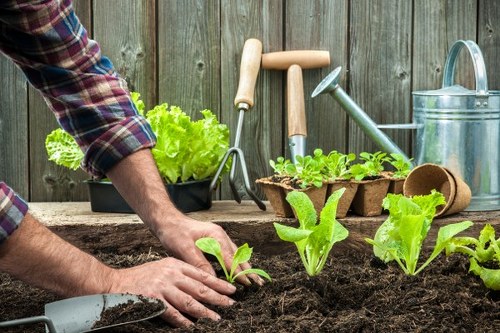
On-the-ground recycling activities relevant to the area
In Paddington and neighbouring boroughs, everyday recycling activity involves separating compostable garden waste from mixed dry recycling and hazardous items (paint, oils). We run training sessions with crews to improve segregation and reduce contamination so more material can be processed at local transfer stations.Key elements of our local recycling and sustainability programme include:
- Source separation at the point of collection to reduce contamination and increase recycling rates.
- Composting and soil reuse to close nutrient loops and support community plots.
- Material reuse through charity partnerships and social enterprises to prolong the life of landscaping goods.
- Low-emission logistics using electric vans and optimised routing.
Monitoring, targets and community benefits
We report on progress against our recycling percentage target and provide transparent data on tonnes diverted, reused or composted annually. By reaching our targets we aim to reduce refuse-derived fuel reliance and increase material recovery. The social value is tangible: donations to charities, lower disposal costs for local gardens, and improved air quality from reduced vehicle emissions.Gardeners Paddington champions a practical and local-first approach to recycling and sustainability. Through clear targets, strong partnerships with charities and local transfer stations, and a low-carbon vehicle fleet, we create an effective, scalable model for eco-friendly waste disposal areas and sustainable rubbish gardening areas across Paddington and surrounding boroughs.

