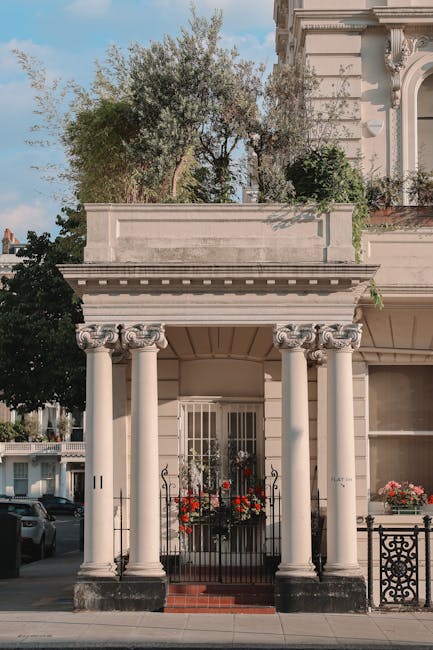
Insider tips for Paddington gardeners on Bayswater roof terraces
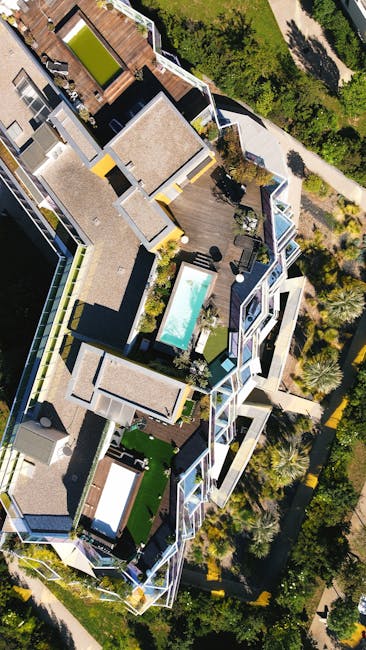
If you've ever stood on a Bayswater roof terrace and thought, "This could be brilliant... if only the plants would stop sulking," you're not alone. Rooftop spaces in and around Paddington can be stunning, but they also ask a bit more from the gardener than a normal back garden. Wind, sun, weight limits, awkward access, and thirsty containers all pile on the pressure. The good news? With the right approach, a roof terrace can feel lush, calm, and surprisingly easy to maintain. In this guide, we'll walk through the insider tips Paddington gardeners use to get better results on Bayswater roof terraces, without making it feel overcomplicated.
Whether you're planning a new terrace scheme, rescuing a tired one, or simply trying to stop the basil from giving up by mid-July, this article covers the practical stuff that matters: plant choice, drainage, maintenance rhythm, safety, materials, and the small decisions that make the biggest difference.
Why Insider tips for Paddington gardeners on Bayswater roof terraces Matters
Roof terraces look simple from a distance. A few pots, a bench, maybe some lavender, job done. But once you start gardening at height in central London, the reality changes fast. Bayswater terraces often face stronger wind exposure than street-level gardens, and many sit above structures where weight, drainage, and waterproofing are not things you want to improvise with. A container that seems light enough when empty can become very different once it's full of wet compost. That catches people out more often than you'd think.
For Paddington gardeners, the key is not just making a space look attractive. It is making it function well across the seasons. A good terrace planting plan should survive summer heat, winter damp, and the occasional gust that can knock over a badly chosen pot in seconds. You also need to think about neighbours, access routes, and how often the space will be used. A roof terrace is exposed, yes, but it can also be one of the most rewarding places to garden because you have control over the whole setup from the start.
There's another reason this topic matters: terrace gardening is often where people want the biggest impact in the smallest area. In dense parts of London, a roof terrace might be the main outdoor space. So the planting has to work hard. It needs to provide privacy, colour, seasonal interest, and a bit of softness against all the hard lines of masonry, glass, and railings. Done well, it can genuinely change how a home feels.
If you are already planning larger improvements, it can help to look at the broader picture too. A coordinated outdoor scheme often works better than a series of disconnected fixes, which is why many homeowners explore landscaping or a longer-term landscape gardening approach rather than tackling each corner in isolation.
How Insider tips for Paddington gardeners on Bayswater roof terraces Works
The basic idea is straightforward: you design for the conditions you actually have, not the conditions you wish you had. Roof terraces are usually hotter, windier, and drier than ground-level gardens, yet the containers can still get waterlogged if drainage is poor. So the working method is a balance between resilience and beauty.
Start with the structure. Check where the sun lands at different times of day. Notice the windy corners. Watch where rainwater drains. A terrace in early morning shade may suit different plants from one that gets late afternoon heat bouncing off neighbouring walls. That kind of observation sounds obvious, but honestly, people skip it and then wonder why a plant is miserable in exactly the wrong corner.
Then think in layers. Roof terraces usually need a mix of:
- structural planting for height and privacy
- mid-level shrubs or grasses for shape
- low planting for texture and seasonal change
- hard surfaces or containers that don't feel visually heavy
What makes this work is repetition and restraint. A small number of well-chosen plant types often looks more elegant than a dozen unrelated ones. On a roof terrace, too much variety can quickly read as clutter. That's especially true when the planting is viewed from inside the flat, not just from standing on the terrace itself.
Maintenance matters just as much as design. A roof terrace is not the place for high-drama plants that need constant rescuing. It's better to use robust species and build a care routine around watering, feeding, pruning, and seasonal resets. If the terrace is part of a wider property care plan, regular garden maintenance makes a real difference to how long the scheme stays attractive.
Key Benefits and Practical Advantages
When a roof terrace is designed sensibly, the benefits are immediate. The most obvious one is visual. You move from a hard, exposed slab to a space that actually feels lived in. But there are more practical gains too.
- Better use of limited space: container planting lets you create zones without building permanent structures everywhere.
- Privacy without bulk: tall grasses, climbers, and screening plants can soften sightlines more elegantly than heavy panels.
- Seasonal flexibility: pots and planters can be rearranged as light, weather, and use patterns change.
- Lower commitment than a ground garden: you can refresh or redesign sections without digging up a whole border.
- Strong design impact: even a modest terrace can feel premium when the planting, paving, and seating all work together.
There's also a subtle psychological benefit. A terrace that is tidy, planted, and comfortable tends to get used more. That sounds almost too simple, but it's true. People step outside more often when the space feels welcoming, and once that happens, the terrace becomes part of daily life rather than a decorative afterthought.
For practical projects involving timber features, integrated seating, or raised platforms, it may also be worth reviewing decking services, especially if the goal is to make the terrace feel coherent and safe underfoot.
Who This Is For and When It Makes Sense
This approach is ideal for homeowners, landlords, and property managers in Paddington and Bayswater who want a terrace that looks polished but does not require endless fuss. It suits people with compact outdoor spaces, renters with landlord permission for container-based changes, and anyone trying to improve a roof terrace that currently feels bare, blown around, or a bit unfinished.
It also makes sense if your terrace has practical frustrations:
- plants drying out too quickly in summer
- pots falling over in the wind
- rainwater pooling near doors or corners
- privacy being too low for comfortable use
- weak planting that keeps failing after a few months
To be fair, not every terrace needs a grand design overhaul. Sometimes a few better planters, a smarter watering setup, and the right maintenance rhythm will transform the whole thing. Other times, especially where access is awkward or the terrace has structural constraints, it's worth bringing in a professional who understands both gardening and hard landscaping. If you're looking to explore broader service options, the services overview is a useful starting point.
And if your terrace is linked to a larger tidy-up, overgrown planters, broken pots, or old debris can get in the way fast. In those cases, garden clearance may be the sensible first step before any new planting goes in.
Step-by-Step Guidance
Here's the practical sequence that usually gives the best result on a Bayswater roof terrace.
- Assess the site properly. Check sun, shade, wind exposure, access, drainage, and any obvious weight-sensitive areas. Take notes over a few days if needed. A terrace can behave very differently at 8am than it does at 4pm.
- Define the purpose of the space. Is it for relaxing, entertaining, growing herbs, screening neighbours, or all four? A terrace that tries to do everything with no plan often ends up doing nothing especially well.
- Choose containers with intent. Use planters that suit both the architecture and the conditions. Lightweight materials can be useful, but stability matters too. Deep planters help roots stay cooler and reduce how often you need to water.
- Build from structure outward. Put in the larger visual anchors first, such as screening plants, small trees where suitable, or feature pots. Then fill the middle with shrubs and grasses. Leave the smallest details until last.
- Use a reliable growing medium. Compost in containers should be appropriate for the plants you choose, with decent moisture retention and drainage. On terraces, poor compost choice shows up quickly.
- Install simple irrigation or watering habits. Even if you are watering by hand, set a routine. Early morning is usually best in warm weather because water gets to the roots before the heat starts lifting it away.
- Finish with maintenance planning. Pruning, feeding, deadheading, and seasonal replacement are not extras. They are part of the design. Without them, the terrace slowly loses shape.
If you're working with a professional, ask them how they would phase the job. A good installer or gardener should be able to explain the sequence clearly, not just talk in grand generalities. That's one of those small things that tells you whether the job is being thought through properly.
Expert Tips for Better Results
Here's where the little gains add up. In practice, the best roof terraces are rarely the ones with the fanciest plants. They are the ones that respond well to the conditions and keep looking good with manageable effort.
Prioritise wind resilience
Wind is the quiet problem on roof terraces. It dries compost, tears leaves, and can snap tall stems before you notice the damage. Choose plants with some flexibility, use heavier base pots where needed, and avoid creating a sail effect with overly flimsy screening.
Mix evergreen structure with seasonal interest
Evergreens give the terrace backbone through winter, while seasonal flowers or herb pots keep the space lively in the warmer months. That mix stops the terrace from feeling stripped bare when one season ends. A lot of people miss this and then wonder why November looks so flat.
Think about view lines, not just plant lists
Stand inside the room that looks onto the terrace. What do you see first? A cluttered pot corner? A lovely tree shape? A bare patch of paving? The best planting plans work from those sightlines. The view from indoors matters just as much as the view outdoors.
Keep access simple
Roof terraces are awkward enough without making them impossible to maintain. If every watering can has to zig-zag around too many pots, you'll start avoiding the space. Build in enough circulation room to keep care practical.
Use repetition for calm
Repeat a few container sizes or plant forms rather than using one of everything. Repetition gives small terraces a more considered look. It also makes maintenance easier, which is no bad thing.
Plan for hot spells, not just average weather
During a warm spell, terraces can get very dry, very fast. You'll notice the top layer of compost crusting over, leaves drooping by lunchtime, and surfaces heating up in a way that surprises people. Mulching, grouping pots, and setting water routines ahead of time helps far more than rescue watering after the fact.
If the space includes structural planting or boundary plants that need careful shaping, hedge trimming may be part of the upkeep, especially where privacy and proportions matter together.
Common Mistakes to Avoid
Most terrace problems are preventable. The trouble is, they often come from enthusiasm rather than neglect. People buy plants they love in the shop, then plant them into a windy rooftop and expect a miracle. Gardening is kind of rude that way.
- Choosing plants for looks only: a pretty plant that hates wind or dry conditions is a short-term win and a long-term headache.
- Using tiny pots for large plants: root space matters. Restrictive pots dry too quickly and create unstable planting.
- Ignoring drainage: blocked drainage holes and soggy compost can ruin roots even when the rest of the setup looks fine.
- Overcrowding the terrace: too many containers make a small area feel cramped and hard to move through.
- Forgetting weight considerations: wet soil, ceramic pots, and standing water add up fast.
- Leaving maintenance too late: on roof terraces, a few missed weeks can change the look dramatically.
One of the biggest mistakes is treating the terrace like a one-off project. It rarely stays looking good without ongoing attention. That doesn't mean it has to be demanding. It just means the design should make maintenance realistic rather than aspirational. Big difference.
Also, if trees or large shrubs are involved and they start to outgrow the space, it is better to deal with them early than after they become a nuisance. In some cases, tree lopping and removal may be the safer option than trying to force a bad fit.
Tools, Resources and Recommendations
You do not need a van full of equipment to maintain a good roof terrace, but a few practical tools make life much easier. The point is to keep things simple, repeatable, and safe.
| Tool or resource | Why it helps | Best use on a roof terrace |
|---|---|---|
| Lightweight watering can or hose system | Makes regular watering easier | Daily or weekly watering in warm months |
| Secateurs and hand pruners | Keep plants tidy and healthy | Deadheading, trimming, and light shaping |
| Moisture-retentive compost | Reduces drying out between waterings | Containers exposed to sun and wind |
| Stable planters | Improves safety and reduces toppling | Windy corners and taller planting |
| Soft ties and supports | Helps train or support stems | Climbers and taller perennials |
| Regular maintenance plan | Keeps the terrace looking intentional | Seasonal resets, pruning, and refreshing |
For many properties, especially where the outdoor space is shared or visible from several rooms, a planned maintenance routine is more valuable than sporadic big clean-ups. If the planting style is more ornamental or architectural, it can also help to bring in landscape gardening support so the hard and soft elements sit together properly.
And if the project is at the stage where worn materials, broken containers, or redundant features need clearing out before anything new starts, a tidy run through garden clearance can save a lot of hassle later on.
Law, Compliance, Standards, or Best Practice
Roof terraces are not the place to be casual about safety. While the exact obligations depend on the property and who manages it, a sensible best-practice approach in the UK is to think about access, load, waterproofing, fire safety, trip hazards, and work-at-height precautions before the first pot arrives.
In practical terms, that means:
- Checking structural capacity: don't assume the surface can carry heavy planters, large volumes of wet compost, or built-in features without review.
- Protecting waterproof membranes: use appropriate bases, trays, or separators where needed so containers do not damage the roof surface.
- Keeping circulation routes clear: especially near doors, exits, and shared access points.
- Managing falling objects: lightweight items can travel farther than expected in strong wind.
- Using competent contractors: anyone working at height or handling heavy materials should do so safely and with suitable insurance.
If you are hiring help, it is reasonable to ask about insurance, safety procedures, and how they handle site risks. Those details are not boring paperwork. They are part of whether the job is going to run smoothly. For more on that side of things, you can review insurance and safety and the company's health and safety policy.
Good practice also includes being mindful of waste and materials. Reusing planters where suitable, composting green waste where possible, and disposing of broken items responsibly all support a cleaner, tidier approach. That is where recycling and sustainability becomes part of the gardening conversation rather than a side note.
Options, Methods, or Comparison Table
There are a few different ways to approach a Bayswater roof terrace. The best one depends on how much time, budget, and upkeep you want to commit to. Here's a simple comparison.
| Method | Best for | Strengths | Trade-offs |
|---|---|---|---|
| Simple container styling | Smaller budgets or renters | Flexible, quick to update, easy to scale | Needs regular watering and tidying |
| Structured planting scheme | Homeowners wanting a polished look | Stronger visual impact, better privacy, more cohesion | Takes more planning and may cost more upfront |
| Mixed hard and soft landscaping | Long-term redesigns | Balanced, durable, often most comfortable to use | Requires coordination and careful specification |
In most real-world cases, a mixed approach works best. A few solid structural containers, some hard landscaping elements, and enough planting to soften the edges. Not too much. Not too little. That balance is what makes the terrace feel usable instead of precious.
If you want a more tailored quote or you are weighing up which route makes sense for your property, the pricing and quotes page is the right place to start.
Case Study or Real-World Example
Imagine a Bayswater roof terrace that initially feels like a storage yard with a few tired pots. The owner wants privacy from neighbouring windows, a place to sit with coffee in the morning, and something that does not need daily fuss. The original setup has mismatched containers, uneven watering, and a couple of plants that clearly never asked to be there in the first place.
The fix starts with clearing out the dead weight. Broken pots, spent soil, and overcrowded plants go first. Then the layout is rebuilt around three simple zones: a seating area, a screened edge, and a softer planting strip along the sunniest side. Larger planters hold structural evergreens and grasses. Smaller containers carry seasonal colour and herbs near the door, where they'll actually get used. A few light-texture plants are repeated in clusters rather than scattered randomly.
Within a few weeks, the terrace feels different. Not just prettier, but calmer. The owner waters on a set schedule and trims lightly once a fortnight during peak growth. That is enough to keep the space looking fresh. No drama. No endless Saturday rescue missions. Just a terrace that finally behaves like an outdoor room.
That sort of transformation is often less about expensive features and more about sensible sequencing. If the existing space needs clearing and rebuilding, sometimes the smartest move is to start with the basics, then add complexity only where it earns its keep.
Practical Checklist
Use this before you begin or when you're wondering why a terrace isn't performing as well as it should.
- Have I checked sun, shade, and wind exposure at different times of day?
- Do I know which areas are likely to dry out first?
- Are the containers stable enough for rooftop conditions?
- Is drainage working properly in every planter?
- Have I chosen plants that can cope with exposed conditions?
- Is there enough room to move around and water comfortably?
- Does the terrace still look good from indoors?
- Have I planned for regular maintenance, not just the initial install?
- Are any large plants or features becoming too heavy, too tall, or too awkward?
- Do I know who to contact if I need help with pruning, clearance, or broader improvements?
If most of those boxes are still unchecked, don't worry. That just means the terrace is telling you what it needs. Roof spaces are honest like that.
Conclusion
The best insider tips for Paddington gardeners on Bayswater roof terraces come down to a simple idea: design for the actual rooftop conditions, not for an idealised garden fantasy. Use plants that can handle wind and heat. Build around stability, drainage, and easy maintenance. Keep the layout calm enough to enjoy and practical enough to keep going. That's how a terrace stops being a project and starts being a place you actually want to use.
When the space is planned properly, the payoff is bigger than looks alone. You get comfort, privacy, and a little pocket of green above the city noise. And in central London, that matters more than people sometimes admit. It's a breath of fresh air, literally and otherwise.
Get a free quote today and see how much you can save.
Frequently Asked Questions
What plants work best on Bayswater roof terraces?
The best plants are usually wind-tolerant, drought-resistant, and suited to container life. Grasses, evergreen shrubs, compact perennials, and carefully chosen herbs often perform well, but the exact mix depends on sun, shade, and how exposed the terrace is.
How often should I water a roof terrace garden?
In warm or windy weather, container plants may need watering far more often than ground-level beds. Some may need daily checks in summer. The most reliable approach is to inspect the top layer of compost and water before plants start to droop badly.
Do roof terraces need special drainage?
Yes, drainage matters a lot. Containers should allow excess water to escape, and the roof surface should be protected from standing water where possible. Poor drainage can stress roots and create long-term problems that are expensive to fix later.
Can I use heavy pots on a roof terrace?
Sometimes, but you should be careful. Wet soil, ceramic pots, and built-in planters can all add significant weight. It is sensible to think about the total load, not just the empty container weight.
How do I make a roof terrace feel private?
Use layered planting, taller containers, grasses, climbers, and structural evergreen plants to soften sightlines. Privacy usually works best when it feels organic rather than like a solid wall shut around the space.
What is the biggest mistake people make with roof terraces?
Choosing plants and materials without thinking about wind and maintenance is probably the biggest one. A terrace can look beautiful for a week and then fall apart quickly if the conditions are ignored.
Is landscaping worth it on a small terrace?
Yes, if the goal is to make the space more usable and coherent. Even small terraces benefit from layout thinking, container planning, and a clear mix of hard and soft elements. Small does not mean simple.
How can I keep maintenance manageable?
Use repetition, avoid overplanting, choose robust species, and create a watering and pruning routine. The easier the layout is to move through, the easier it is to maintain. That part really matters.
Should I clear an old terrace before replanting?
Usually, yes. Starting with a clear base makes it much easier to assess drainage, layout, and the true condition of the space. If there is clutter, broken material, or dead planting, a proper clearance first can save time and frustration.
How do I know if I need professional help?
If the terrace has structural concerns, awkward access, large planting, or an existing layout that is not working, professional help is usually worthwhile. It can also be the sensible choice if you want a finished look without trial and error.
What should I ask before hiring a gardener for a roof terrace?
Ask about experience with rooftop sites, drainage awareness, insurance, safety procedures, plant choice, and maintenance planning. Those answers will tell you a lot about whether they understand the real demands of the job.
Can a roof terrace support year-round planting?
Yes, but the planting scheme needs to be built for it. A mix of evergreen structure and seasonal planting usually works best, with protection and watering adjusted as conditions change through the year.
If you'd like a friendly team to help shape the right approach, explore the site, compare the available services, or ask for a clearer plan for your terrace, start with the most relevant service pages and take it from there. Sometimes the smartest garden move is simply getting the right advice before the pots start moving around.