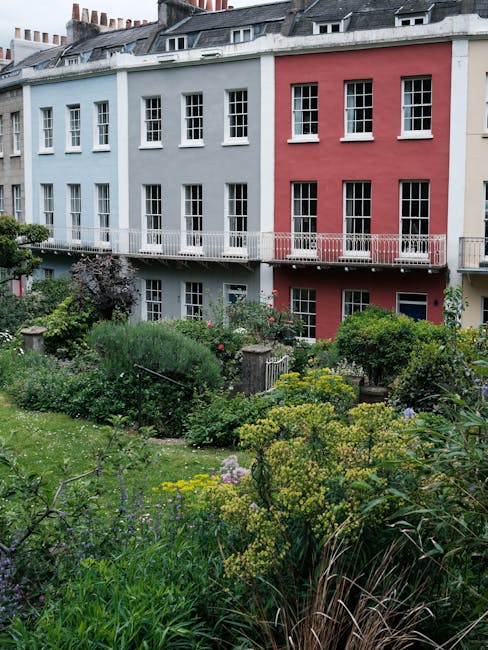
Paddington gardeners guide to Westbourne Terrace garden care
If you live on or near Westbourne Terrace, you already know the gardens here ask for a particular kind of care. Not wild, not fussy either-just thoughtful, regular attention that suits elegant London terraces, narrow plots, shaded corners, and the occasional wind tunnel effect between buildings. This Paddington gardeners guide to Westbourne Terrace garden care is here to help you make sense of it all: what matters most, what to do first, and how to keep a city garden healthy without turning your weekends into a second job.
Whether you are looking after a compact front garden, a shared courtyard, a tucked-away patio, or a slightly tired strip of planting, the basics are often the same. Good soil, sensible plant choices, tidy edges, and maintenance that keeps pace with the seasons. Simple enough on paper. In reality? A bit less tidy. That's why a practical local guide helps.
In the sections below, you'll find a clear step-by-step approach, common mistakes to avoid, a comparison of useful maintenance methods, and a checklist you can actually use. No fluff. Just grounded advice for Westbourne Terrace garden care that fits the pace and layout of Paddington life.
Table of Contents
- Why it matters
- How it works
- Key benefits and practical advantages
- Who this is for and when it makes sense
- Step-by-step guidance
- Expert tips for better results
- Common mistakes to avoid
- Tools, resources and recommendations
- Law, compliance, standards, or best practice
- Options, methods, or comparison table
- Case study or real-world example
- Practical checklist
- Conclusion
- Frequently asked questions
Why Paddington gardeners guide to Westbourne Terrace garden care Matters
Westbourne Terrace gardens are rarely huge, but they are often visually important. A small front garden or shared external space can shape the feel of an entire property. For residents, landlords, and managing agents, that means garden care is not just about appearances. It affects property pride, day-to-day usability, plant health, and sometimes even neighbour relations. A hedge that spills across a path or a lawn that turns patchy by midsummer can quickly become one of those nagging little issues that nobody wants to deal with, yet everyone notices.
Paddington adds its own quirks. Heavy foot traffic, pollution, shade from taller buildings, dust, periodic dry spells, and limited planting depth all influence what survives and what thrives. Garden care in this part of London tends to work best when it is realistic, not idealised. You do not need a show garden. You need a resilient one.
That is the real value of a local approach. A gardener who understands the character of terraces near Paddington will usually plan with access, light, and maintenance cycles in mind. They know that a clipped formal border may look lovely in spring and then struggle by August if the watering routine slips. They know that narrow beds need plants that can handle restraint, not just plants that look nice in a catalogue.
Truth be told, many garden problems start small. A little moss on paving. A shrub left unpruned. A drainage patch that stays wet after rain. Deal with those early, and everything becomes easier. Leave them, and suddenly the whole garden feels like work. That is why this topic matters more than it might first appear.
How Paddington gardeners guide to Westbourne Terrace garden care Works
Think of Westbourne Terrace garden care as a cycle rather than a one-off job. Good maintenance works through observation, routine, and seasonal adjustment. In most cases, the process begins with a basic assessment of the space: light levels, soil condition, drainage, plant health, access, and how much time the garden genuinely gets used. From there, the work can be matched to the garden's needs rather than forcing a one-size-fits-all routine.
A sensible maintenance plan usually includes a mix of:
- regular mowing or edging where lawns are present
- pruning and shaping of shrubs, hedges, and climbers
- weeding before it becomes a bigger task
- deadheading and seasonal planting refreshes
- checking drainage, compost, and soil condition
- keeping paths, borders, and access points clear
In a Paddington setting, maintenance is often light but frequent. That's because smaller gardens show neglect quickly. A fortnightly check can be more effective than a big seasonal overhaul, especially for front-facing spaces or properties where appearance matters year-round. It's a bit like keeping a kitchen clean as you go rather than facing a disaster at the end of the week. Much less painful.
For more involved work, such as reclaiming an overgrown border or reshaping a neglected lawn, many people choose a broader maintenance package. If that sounds familiar, a service like garden maintenance is often the practical route, especially when the garden needs more than a quick tidy-up. For deeper changes, the team may also suggest landscaping or targeted improvements rather than endless patch repairs.
Key Benefits and Practical Advantages
Well-managed garden care on Westbourne Terrace brings more than a neat look. The benefits build up quietly, which is often why people only notice them when the garden has slipped. A tidy, well-maintained outdoor space gives you a better place to sit, a healthier planting scheme, and fewer expensive surprises later on.
Here are the main advantages in plain English:
- Better plant health: regular pruning, feeding, and watering help plants cope with city conditions.
- Improved first impressions: a well-kept front garden or terrace can instantly lift the look of a property.
- Less long-term work: small, frequent tasks usually cost less effort than rescuing an overgrown space.
- Safer access: clear paths, trimmed growth, and tidy edges reduce trip hazards and awkward blockages.
- More usable space: when a garden is organised properly, it becomes somewhere you actually want to spend time.
There is also a practical benefit that gets overlooked: consistency. Once a garden has a good rhythm, it stops swinging between "fine" and "slightly chaotic." That alone can make city living feel calmer. Not glamorous, maybe, but very real.
For shared or compact outdoor areas, regular care can also support privacy and comfort. If you are trying to soften views from neighbouring windows or create a more sheltered feel, planting choice matters a lot. You may find it useful to explore the ideas in our guides on privacy-enhancing tall potted plants and tall potted plants for balconies and patios. Those approaches can work especially well where ground planting space is limited.
Who This Is For and When It Makes Sense
This kind of garden care is not just for people with large plots or formal gardens. In fact, it often makes most sense for smaller, high-visibility spaces where maintenance has to be efficient and tidy. If you're on Westbourne Terrace or nearby streets in Paddington, the following situations are common.
- Homeowners who want a reliable seasonal routine without constant DIY work.
- Landlords and managing agents who need outdoor areas to stay presentable between tenancies.
- Busy professionals who want the garden to look cared for, but do not have hours to spare.
- Older residents who would rather avoid heavy lifting, climbing, or repetitive pruning.
- Families who need the garden to be practical, safe, and not full of thorny surprises.
It also makes sense when the garden is showing early warning signs: moss on paving, patchy turf, leggy shrubs, poor drainage after rain, or plants that clearly do not suit the space anymore. You do not need to wait for a full reset. Sometimes the smartest move is to intervene before the space gets genuinely difficult.
And if the garden has become more debris than design, that is where a broader tidy-up can help. A service such as garden clearance can be the right first step before maintenance begins properly. A clear space is much easier to work with. Obvious, yes. But people skip it all the time.
Step-by-Step Guidance
Here is a practical way to approach Westbourne Terrace garden care without overcomplicating it. You can use this whether you are managing the space yourself or briefing a gardener.
1. Start with a proper assessment
Look at the garden in daylight and ask a few simple questions. Where does the sun actually reach? Which areas stay wet? What looks tired? Are there plants that are thriving despite neglect, and others that are struggling no matter what you do? This first pass matters because it stops you wasting time on the wrong fix.
2. Decide what is essential and what is cosmetic
Some jobs are about appearance, while others protect the garden's long-term condition. Clearing weeds from a border, for example, is both tidy and useful. Repainting a planter is cosmetic. Both matter, but not equally. If budget or time is limited, handle the essential items first.
3. Cut back and clean out before adding anything new
One of the most common mistakes is buying plants before sorting the existing garden. You will almost always get better results if you remove dead material, prune back overgrowth, clear leaves, and improve the soil first. It sounds boring. It is. It also works.
4. Match plants to the conditions
For Paddington and Westbourne Terrace, the plant list should reflect real conditions, not wishful thinking. Shadier spaces need shade-tolerant plants. Exposed terraces need tougher varieties. Shallow soil needs compact roots and decent compost. If you are unsure, keep things simple and repeat what has already succeeded in the space.
5. Put a maintenance rhythm in place
Once the garden is back under control, set a routine. Weekly may be enough for watering and quick checks in summer. Fortnightly or monthly visits may suit more stable spaces. The rhythm matters more than perfection. Gardens like consistency; they really do.
6. Review the garden each season
Spring, summer, autumn, and winter all ask different things of the space. Spring is for renewal, summer for watering and control, autumn for leaf clearing and preparation, and winter for structural pruning and planning. Small adjustments at the right time make a huge difference.
If you want a more structured maintenance route, a service mix that includes lawn mowing, hedge trimming, and general upkeep usually covers the most visible issues. In larger or more complex spaces, the occasional tree or structural check may also be needed, especially where light or access is being affected. That sort of job is best handled carefully, not rushed.
Expert Tips for Better Results
A few small habits make a huge difference in terrace garden care. These are the things experienced gardeners tend to keep in mind, because they save effort later.
- Water deeply, not constantly: shallow watering encourages weak roots. Better to soak properly and let the soil breathe between sessions.
- Do not fight the light: if a space is shady, choose shade-friendly planting instead of forcing sun-loving species to struggle.
- Use containers wisely: pots are ideal for awkward spaces, but they dry out faster and need feeding more often.
- Prune with a reason: don't just trim because the plant looks messy. Know whether you are shaping, encouraging growth, or removing dead wood.
- Keep edges crisp: a clean border edge can make a garden look cared for even when the planting is simple.
One small local observation: in Paddington, where buildings can reflect heat and block natural airflow, pots and shallow beds can dry out faster than you expect. A plant that looked happy on Monday can look sulky by Thursday afternoon. That's not drama. It's just urban gardening.
If sustainability matters to you-and it does to many local residents-ask about pruning waste, composting, and responsible green disposal. Our recycling and sustainability approach is part of doing the job properly, not an afterthought. A well-run garden should not create unnecessary waste if it can be avoided.
Common Mistakes to Avoid
Even good gardeners slip up now and then. The trick is not to repeat the same mistakes every season. Here are the ones we see most often in compact London gardens.
- Overplanting: too many plants squeezed into too little space leads to competition, poor airflow, and constant maintenance.
- Ignoring drainage: if water has nowhere to go, roots suffer. Simple as that.
- Pruning at the wrong time: some shrubs and climbers respond badly to heavy cuts in the wrong season.
- Letting weeds seed freely: one neglected week can turn into a much bigger job later on.
- Using the wrong grass care: lawns need seasonal attention, not random mowing whenever you notice them.
- Choosing style over suitability: pretty plants are great, but if they cannot handle the site, they will not last.
Another common issue is assuming all maintenance is interchangeable. It isn't. A tidy-up is not the same as long-term garden care. A one-off cutback does not replace thoughtful planning. And to be fair, that's where many gardens get stuck: they keep being "managed" without ever truly improving.
If the garden has become cluttered or blocked by old growth, a proper clearance can be a better starting point than piecemeal repairs. That is one reason people often pair routine care with one of the more practical service options in the area, rather than trying to patch everything themselves.
Tools, Resources and Recommendations
You do not need a shed full of expensive equipment to keep a terrace garden in good shape. In most cases, a modest, well-chosen toolkit is enough. The key is using the right tool for the job, not the fanciest one.
| Tool or resource | Best use | Why it helps in a Paddington garden |
|---|---|---|
| Hand shears | Shaping small shrubs and tidying borders | Quiet, precise, and ideal for tight spaces |
| Lightweight lawn mower | Regular lawn maintenance | Easier to use where access is limited |
| Secateurs | Deadheading and small pruning jobs | Good for careful work in planted beds |
| Watering can or hose with control nozzle | Targeted watering | Useful where containers dry quickly |
| Compost and mulch | Soil improvement and moisture retention | Helps beds cope with urban dryness |
| Professional maintenance plan | Ongoing upkeep and seasonal tasks | Best when time, access, or complexity is an issue |
If you are weighing up whether to manage things yourself or bring in help, it often comes down to time, condition, and consistency. For straightforward upkeep, a basic routine may be enough. For ongoing reliability, a service model can save effort and prevent decline. A structured option like services overview is useful when you want to see what can be combined rather than piecing it together job by job.
For property owners comparing quotes, it also helps to understand how service scope affects cost. A quick tidy, hedge cut, and mow is a different job from a full seasonal reset. You can review practical guidance on pricing and quotes before making a decision. Clear scope usually leads to clearer expectations. Nice and simple, as it should be.
Law, Compliance, Standards, or Best Practice
Most garden care is straightforward, but there are a few practical standards worth keeping in mind, especially in London settings where access, neighbours, and safety can matter. The main point is to work responsibly and avoid unnecessary risk.
For example, if a task involves working at height, using powered equipment, or handling larger trees, it should be approached with proper caution and suitable protection. A responsible gardening provider should have clear safety practices in place, and you can ask about this directly. It is perfectly reasonable to want that reassurance. In fact, you should.
Health and safety also matters around tool handling, waste removal, and keeping paths clear while work is underway. If you are hiring help, look for sensible procedures, proper insurance, and a clean approach to site safety. Our insurance and safety information and health and safety policy explain the sort of standards you should expect from a professional service.
There is also a broader best-practice angle. Good contractors should respect neighbours, work tidily, dispose of green waste responsibly, and communicate clearly about access or timing. In a terrace street, those little courtesies matter a lot. Nobody likes a leaf blower at the wrong moment. Let's leave it there.
Options, Methods, or Comparison Table
If you are deciding how to manage Westbourne Terrace garden care, it helps to compare the main approaches honestly. The right answer depends on the garden's condition and how much time you have.
| Approach | Best for | Pros | Limitations |
|---|---|---|---|
| DIY seasonal upkeep | Small, simple gardens with low pressure | Low cost, flexible, hands-on | Easy to fall behind, may miss pruning windows |
| Occasional one-off tidy-up | Gardens that look overgrown but are basically healthy | Fast reset, visible improvement | Does not prevent future decline by itself |
| Regular professional maintenance | Front-facing or high-use gardens | Consistency, reliability, less stress | Ongoing cost, needs clear scope |
| Full redesign or landscaping | Problem gardens or outdated layouts | Can solve structural issues properly | More planning, more disruption, higher commitment |
For many Paddington properties, the middle ground works best: enough professional care to keep the garden tidy and healthy, but not so much intervention that it becomes over-managed. That balance is often overlooked. A garden that is easy to live with is usually better than one that looks immaculate for two weeks and then becomes a burden.
Case Study or Real-World Example
A typical Westbourne Terrace scenario goes something like this: a narrow rear garden with a few tired shrubs, a small patch of lawn, some pots that dried out during the summer, and a paved area that has started to look dull. Nothing dramatic. Just a space that has gradually slipped because life got busy. It happens more often than people admit.
The first step is usually not planting anything new. It is clearing the dead material, checking the soil, and seeing what can genuinely be saved. In one real-world style example, the garden might be reshaped by removing a congested shrub, refreshing the border with compost, trimming back climbers that are blocking light, and replacing a few underperforming pots with tougher, more suitable planting. The lawn is then mown properly rather than hurriedly, with edges cut clean so the whole area reads as intentional again.
The difference is often immediate. Not flashy. Just calmer, tidier, and easier to use. By the next few weeks, the garden starts responding better because it is no longer fighting against poor structure. That is the part people notice most: not just that it looks better, but that it feels easier.
If a garden like this had been ignored much longer, the route would likely have started with garden clearance before maintenance could do its job. That sequence matters. Fix the foundation first, then keep it tidy. Simple, but easy to skip when you want the quick win.
Practical Checklist
Use this checklist when reviewing a Westbourne Terrace garden or briefing someone to care for it.
- Check how much sun, shade, and wind the garden actually gets.
- Look for signs of poor drainage, pooling, or compacted soil.
- Remove dead leaves, broken stems, and built-up debris.
- Weed borders before weeds have time to seed.
- Trim hedges and shrubs to keep shape and access under control.
- Confirm the lawn is mown to a suitable height for the season.
- Refresh containers with compost if plants look tired or dry.
- Review whether any plant is in the wrong place and should be moved or replaced.
- Keep paths, steps, and entrances free of clutter.
- Set the next visit or maintenance date before the garden slips again.
Expert summary: the best Westbourne Terrace garden care is usually not the most elaborate one. It is the one that fits the space, respects the season, and keeps on top of the little jobs before they become bigger ones. In other words, steady wins. Nearly always.
If you want a greener, tidier, more manageable outdoor space without the usual hassle, the next step is to review what your garden truly needs and choose the right level of support. Get a free quote today and see how much you can save.
Conclusion
Paddington gardeners guide to Westbourne Terrace garden care is really about matching good horticultural habits to a very specific kind of London setting. These are gardens that need practical care, not performative care. They benefit from thoughtful planting, regular maintenance, and a realistic eye on what the site can support. Once you understand that, the whole job becomes much less stressful.
Whether you are keeping a small terrace border under control, trying to revive a tired courtyard, or planning a more reliable maintenance rhythm, the goal is the same: a garden that looks good, feels usable, and does not demand constant rescue. And that, honestly, is a pretty satisfying place to be.
Take it one season at a time, keep the work sensible, and the garden will usually meet you halfway. Sometimes more than halfway.
Frequently Asked Questions
What does a Paddington gardeners guide to Westbourne Terrace garden care actually cover?
It covers the practical side of looking after terrace and small urban gardens near Westbourne Terrace in Paddington, including mowing, pruning, weeding, planting, tidying, and seasonal planning. The idea is to keep the garden healthy and manageable rather than overcomplicated.
How often should a Westbourne Terrace garden be maintained?
That depends on the size, layout, and planting, but many compact London gardens benefit from light attention every one to two weeks during the growing season. In quieter months, monthly checks may be enough. The main thing is consistency.
Is regular garden maintenance better than one-off visits?
For most terrace gardens, yes. Regular maintenance helps prevent overgrowth, keeps plants healthier, and avoids the bigger jobs that build up when a garden is left too long. One-off work is useful, but it usually works best as a reset rather than a complete solution.
What are the most common problems in Paddington gardens?
Shade, limited planting space, drainage issues, compacted soil, fast-drying containers, and general wear from city conditions are all common. Some gardens also struggle with access, noise, and a lack of room for larger plants.
Can a small garden still benefit from professional care?
Absolutely. Small gardens often benefit the most because they show neglect quickly and can become hard to enjoy when they are cluttered or overgrown. Professional care can make compact spaces easier to live with and simpler to maintain.
What should I do before starting new planting?
Clear dead material, weed the borders, improve the soil if needed, and check the light and drainage conditions. New plants are much more likely to succeed when the space is already in decent shape. Planting first and hoping for the best is rarely the answer.
Do I need full landscaping or just maintenance?
If the garden layout is basically sound, maintenance may be enough. If paths are awkward, beds are poorly designed, or the space no longer works functionally, then landscaping might be a better long-term fix. It depends on whether you are maintaining a good structure or trying to solve a deeper issue.
How can I make a narrow terrace garden feel less exposed?
Layered planting, tall potted plants, climbers, and carefully placed screening can help soften views and make the space feel more private. The key is to choose plants that suit the light and don't overwhelm the area.
Is it worth clearing an overgrown garden before maintenance starts?
Usually, yes. If the garden is heavily cluttered or neglected, clearance creates a workable starting point. After that, routine maintenance can actually hold the improvements in place instead of fighting against old growth.
What should I ask before hiring a gardener in Paddington?
Ask what is included, how often they recommend visits, how waste is handled, whether they are insured, and what safety practices they follow. Clear answers help you compare services properly and avoid misunderstandings later.
How do I keep a garden looking good between visits?
Focus on the small jobs: water containers, remove obvious weeds, deadhead spent flowers, sweep paths, and keep an eye on anything growing too fast. A few minutes here and there can keep the whole space from slipping.
Are sustainability and recycling part of good garden care?
Yes, they should be. Responsible garden care includes sensible waste handling, composting where appropriate, and avoiding unnecessary disposal. It is better for the garden and better for the wider environment too.