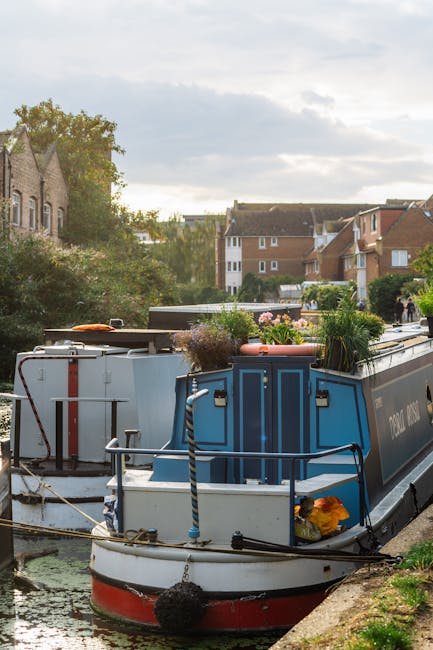
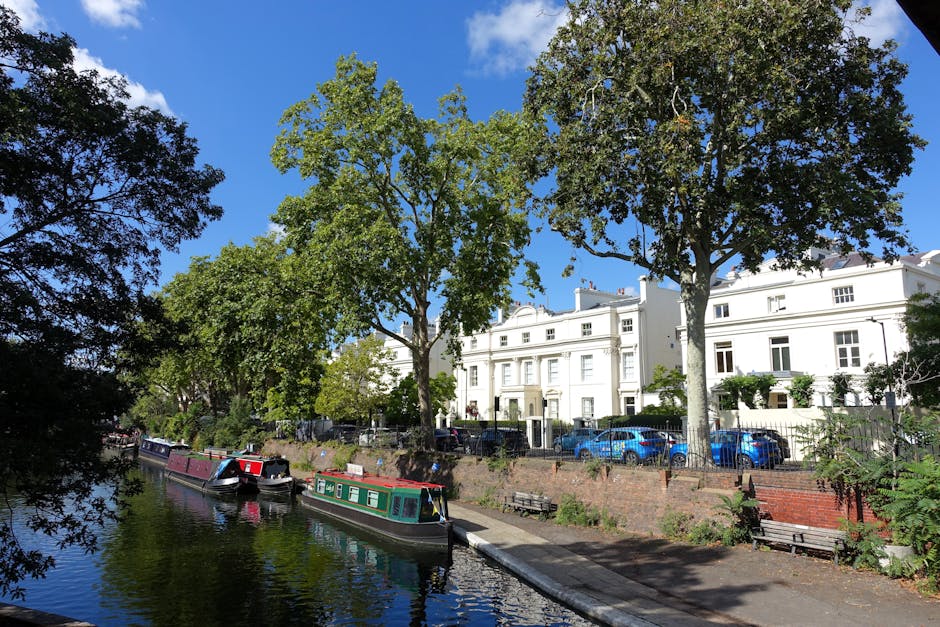
Paddington gardeners for Little Venice canal front gardens
Little Venice has a very particular kind of charm. The water, the towpaths, the narrow frontages, the light bouncing off the canal on a bright morning - it all creates a setting that is beautiful, but not especially forgiving if the planting is neglected. That is where Paddington gardeners for Little Venice canal front gardens come in. These spaces need careful maintenance, a good eye for proportion, and a bit of local judgement. Not just tidy borders, but planting that works with wind, shade, moisture, and everyday access.
If you own, manage, or care for a canal front garden in Little Venice, you probably already know the challenge. One week everything looks elegant; the next, a hedge is leaning over a path, a lawn is patchy, and a bed near the water has become either too thirsty or too damp. This guide breaks down how to approach those gardens properly, what to expect from a professional gardener, and how to avoid the kind of small mistakes that quietly turn into bigger ones.
You will also find a practical checklist, comparison table, and a few grounded tips for keeping a waterside garden looking its best without making life harder than it needs to be. Because, truth be told, the best canal front gardens are rarely the most complicated ones. They're the ones that are looked after consistently.
Why Paddington gardeners for Little Venice canal front gardens Matters
Canal front gardens in Little Venice are not just smaller versions of ordinary front gardens. They sit in a living edge zone: near water, exposed to changing air movement, often visually prominent, and sometimes squeezed between frontage, railing, access paths, and neighbours' sightlines. That combination changes everything.
In a more ordinary street garden, a plant can sometimes be allowed to "sort itself out". Near the canal, that casual approach tends to backfire. Plants may receive reflected light from the water, morning shade from nearby buildings, extra damp at the base, or strong wind tunnel effects depending on the layout. The result is that certain shrubs thrive unexpectedly, while others sulk, split, or become leggy. A gardener who understands this type of setting can choose plants and maintenance routines that actually suit the space.
There is also the visual side. Little Venice has a distinctive character, and front gardens contribute to that street-level impression. Neat edging, controlled growth, seasonal colour, and healthy structure all help a property look cared for without feeling overworked. That balance matters if you want elegance rather than fuss.
And yes, practical concerns matter too. Narrow paths, shared access, damp surfaces, and raised planting beds all call for safe working methods. A gardener who is used to canal-side conditions will think about access first, then maintenance, then long-term appearance. That order is a bit boring, maybe, but it works.
For homeowners, landlords, and property managers, the value is simple: better presentation, less avoidable damage, and fewer surprise jobs that could have been prevented with the right routine. If you want to explore broader service coverage, the services overview is a good place to understand how different garden tasks fit together.
How Paddington gardeners for Little Venice canal front gardens Works
A good approach starts with observation. Not all canal front gardens need the same treatment, even if they look similar from the pavement. A proper visit usually begins by checking the soil condition, plant health, drainage patterns, access routes, and how much sun the space actually gets during the day. That last part is often underestimated. A garden can seem sunny at 10am and be in soft shade by early afternoon. By the next month, that affects everything.
From there, the work typically falls into a few categories:
- Maintenance: keeping lawns, beds, hedges, and hard edges tidy on a regular schedule.
- Selective pruning: reducing crowding, encouraging healthy growth, and preserving shape.
- Seasonal planting: refreshing colour and structure without introducing high-maintenance plants that will struggle.
- Problem solving: dealing with overgrown areas, poor drainage, patchy grass, or tired borders.
- Long-term planning: adjusting the layout so the garden becomes easier to manage over time.
For example, a front garden with a low hedge and shallow beds might only need regular trimming and weed control in spring and summer. Another, with layered planting and a mature tree, may need a more careful annual rhythm: light pruning, leaf clearance, soil top-up, and occasional reshaping. Same street, completely different maintenance need. That's normal.
Professional gardeners often work in coordination with broader garden improvements too. A soft redesign may involve landscape gardening, while structural features or circulation changes could be part of landscaping. If a front garden also needs paving, edging, or a small timber feature, it can be helpful to discuss decking services where appropriate, though not every canal-side frontage will suit that kind of addition.
For routine upkeep, services like garden maintenance, hedge trimming, and lawn mowing are often the backbone of the job. If a space has become tangled, blocked, or simply too much to tackle alone, garden clearance may be the sensible first step before anything else.
Key Benefits and Practical Advantages
The biggest benefit is consistency. A canal front garden looks best when it feels calm and intentional, not when it is reset every few months after things have gotten out of hand. Consistent care saves time and usually saves money too, even if it sounds counterintuitive at first.
Here are the main advantages people notice:
- Better kerb appeal: the property looks cared for from the towpath or street without shouting for attention.
- Healthier planting: regular pruning, feeding, and weed control reduce stress on the garden.
- Safer access: clear routes, non-slip tidiness, and controlled growth matter near steps and narrow paths.
- Less emergency work: you avoid the "everything needs doing at once" problem.
- Better seasonal response: the garden can be adjusted for spring growth, summer dryness, autumn leaf fall, and winter structure.
- Improved privacy and framing: well-managed hedges and shrubs can soften views without blocking light completely.
There is also an emotional benefit that people sometimes forget to mention. A small front garden that feels calm when you open the door in the morning - even just for a minute - can make the whole property feel more settled. It's a tiny thing, but it matters.
From a practical perspective, regular work also reduces waste. Plants that are cut at the right time, or cleared before they become a tangled mass, are easier to manage sustainably. If you care about that side of things, it is worth asking about recycling and sustainability as part of the service approach.
Expert summary: In Little Venice, the best canal front gardens are usually the ones with simple structure, disciplined maintenance, and plant choices that respect the site. Fancy is fine. Fragile is not.
Who This Is For and When It Makes Sense
This kind of gardening service is useful for several types of clients. Some people know exactly what they want; others just know the garden is starting to feel like a job they keep dodging. Both are perfectly normal.
- Homeowners who want a smart front garden that complements the property and stays manageable.
- Landlords who need the exterior to stay presentable between tenancies or viewings.
- Property managers overseeing multiple homes or rental units in the area.
- Busy professionals who love the idea of a well-kept garden but not the Saturday maintenance marathon.
- Older residents who want help with jobs that have become physically awkward or risky.
- People preparing to sell and wanting to improve first impressions without over-investing.
It also makes sense if the garden has a few recurring problems: hedges that keep pushing into walkways, lawns that thin out each summer, borders that look messy after rain, or trees that create too much shade. These are the moments when a knowledgeable gardener can save you from guesswork.
Ask yourself: is this a garden you enjoy, or a garden you just keep managing reactively? If it's the second one, that's usually the sign to bring in help. No drama, just reality.
Step-by-Step Guidance
If you are planning work on a Little Venice canal front garden, a structured approach usually gives the best result. Here is a practical sequence.
- Assess the space properly. Look at light, dampness, access, soil condition, and existing planting. A morning walk-through can reveal different issues from an afternoon one.
- Decide what must stay. Mature shrubs, established climbers, and any feature planting worth preserving should be identified first.
- Remove clutter and dead growth. Clear away weeds, fallen branches, dead stems, broken pots, and anything blocking access. If the plot has become crowded, a garden clearance can create the clean starting point you need.
- Fix the structure. Trim hedges, edge borders, and shape overgrown shrubs so the garden regains its outline.
- Address lawn or ground cover. Cut, scarify, reseed, or replace tired areas as needed. Sometimes a lawn is salvageable, sometimes it's fighting a losing battle.
- Refresh the planting plan. Choose plants suited to the site, not just the season's trend. Canalside conditions reward restraint.
- Set a maintenance rhythm. Decide what gets done weekly, monthly, and seasonally so the garden does not slide backwards again.
- Review access and safety. Check that paths, steps, tools, and working areas remain sensible for anyone using the garden.
If you prefer a service-led route, this same sequence is often handled through a combination of garden maintenance, hedge trimming, and selective landscaping. The important thing is not to start with aesthetics alone. Start with the facts of the site.
Expert Tips for Better Results
Small decisions make a big difference in canal front gardens. That is the honest truth.
1. Choose plants that cope with the real conditions. A plant that looks lovely in a catalogue may struggle beside water if it dislikes damp feet, wind exposure, or reflected light. Go for plants that can handle variation. Reliable beats precious.
2. Keep the front edge disciplined. The line nearest the pavement, railing, or path matters more than people think. If that edge is messy, the whole garden feels untidy even when the rest is fine.
3. Don't overfill borders. A dense border can look impressive in May and oppressive by August. Leave space for growth, air movement, and maintenance access. Your future self will thank you.
4. Prune for shape, not just size. Slicing something smaller is not the same as improving it. Good pruning keeps the plant balanced and naturally formed.
5. Build in seasonal breathing room. You need a little flexibility for leaf fall, summer growth, and post-storm clean-up. A garden designed with no margin for the weather becomes stressful very quickly.
6. Use the canal setting thoughtfully. Water views can be framed, not blocked. A well-placed shrub line or low mixed border can soften the view while still keeping sightlines open. That's often more elegant than a heavy hedge.
7. Keep maintenance simple enough to repeat. If a garden requires a special process every time it is touched, it will eventually be ignored. Simpler systems last longer.
Where trees are involved, don't treat them casually. If a tree is too large, unsafe, or encroaching on light and structure, professional advice on tree lopping and removal may be necessary. Not every tree needs removing, of course. But some do need serious attention.
Common Mistakes to Avoid
The biggest mistakes tend to be the ones that seem harmless at first.
- Using thirsty, high-maintenance plants in a tricky microclimate. They may look good for a month, then quietly decline.
- Ignoring drainage and damp patches. A canal-side location can hide water issues until roots start struggling.
- Letting hedges become barriers. Overgrown hedging can block access, reduce light, and make the frontage feel closed in.
- Skipping routine clearance. A few weeks of neglect near the water can make jobs twice as hard later.
- Cutting back too much at once. Heavy-handed pruning can shock plants and leave the garden looking bare.
- Forgetting the practical path through the garden. Beauty is lovely, but if you cannot get a wheelbarrow, bin, or even a person through the space, something is off.
- Assuming every garden needs a redesign. Sometimes it only needs maintenance, reshaping, and a more sensible planting mix.
A small but common error is treating front gardens like back gardens. They are not the same. Front areas need to look finished from the outside, not just pleasant from one angle. That subtle difference changes how the work should be approached.
Tools, Resources and Recommendations
Good gardening work is not really about flashy kit. It is about using the right tools in a steady, calm way. Still, some tools matter more than others in this setting.
- Sharp secateurs and loppers: for clean pruning cuts on shrubs and smaller stems.
- Reliable hedge trimmers: for keeping formal edges even and controlled.
- Lightweight rakes and leaf collectors: especially useful in autumn when canal-side gardens can gather debris quickly.
- Spades and hand forks: for border work, replanting, and soil conditioning.
- Wheelbarrow or garden trolley: handy where access is narrow and materials need moving carefully.
- Mulch and compost: useful for moisture retention and long-term soil health.
If you are hiring help, it is worth asking how the work will be scheduled, what is included, and how the garden will be left at the end of a visit. Transparent expectations help avoid grumbling later. The page on pricing and quotes can be useful if you want a clearer picture of how garden work is typically structured and discussed.
For clients who want a bit more reassurance around standards and working practice, the pages on insurance and safety and health and safety policy are sensible reading. Not glamorous, sure, but very useful. The boring pages are often the most reassuring ones.
Law, Compliance, Standards, or Best Practice
For canal front gardens, the main compliance issue is usually less about formal regulation and more about responsible practice. In the UK, property owners and gardeners generally need to think about safety, neighbourly impact, waste handling, and any rules connected to tree work, access, or shared spaces. If the property is leasehold or part of a managed block, there may also be additional obligations set by the building or management arrangement.
That means a few best-practice points are worth keeping in mind:
- Don't assume access is unrestricted. Shared paths, communal frontages, and canalside boundaries can carry practical restrictions.
- Be careful with trees. Some tree work can have legal or planning implications depending on location and status, so professional judgement matters.
- Manage waste responsibly. Green waste, branches, and soil should be removed, recycled, or disposed of properly.
- Use safe working methods. Wet paving, narrow approaches, and uneven ground all increase risk.
- Respect neighbours and passers-by. Noise, debris, and temporary obstruction should be handled considerately.
For this reason, it helps to choose a team that takes professionalism seriously. You can read more about the company approach on the about us page, and if you ever need to ask a question directly, the contact us page is the right route.
There is also a values side to compliance. Modern businesses are increasingly expected to work responsibly in their supply chains and operations. If that matters to you, the modern slavery statement and recycling and sustainability pages show the sort of operational thinking that builds trust.
Options, Methods, or Comparison Table
Not every Little Venice front garden needs the same level of intervention. Here is a simple comparison to help you decide what kind of support fits best.
| Approach | Best for | Strengths | Limitations |
|---|---|---|---|
| Regular maintenance only | Gardens already in decent shape | Cost-effective, keeps the space stable, easy to repeat | Won't solve deeper layout or planting problems |
| Maintenance plus selective pruning | Gardens with hedges, shrubs, or seasonal growth issues | Improves structure and appearance quickly | May still leave weak planting in place |
| Clearance and reset | Overgrown or neglected frontages | Creates a clean starting point, removes risk and clutter | Can be more disruptive initially |
| Full landscaping refresh | Gardens needing redesign or repeated problem-solving | Long-term improvement, better use of space, clearer style | Higher effort and planning required |
In practice, many clients start with maintenance, realise a corner is not working, and then move into a small redesign. That is often the smartest sequence. You do not always need to leap straight to a full makeover. Sometimes a garden only needs a bit of honest correction.
Case Study or Real-World Example
Consider a typical canal front garden in Little Venice: a narrow frontage, a small lawn, a hedge that has crept outward over the path, and a couple of mature shrubs near the railings. On paper, nothing dramatic. In reality, the garden feels tighter than it should, and the lawn is patchy because it gets uneven light and too much root competition.
A sensible first visit would likely include clearing leaf litter, trimming the hedge back to a clean line, removing dead stems from the shrubs, checking the lawn's condition, and seeing whether the planting near the front edge is helping or harming the overall look. If the lawn is beyond easy recovery, it might be replaced with a more resilient ground scheme or simplified border. If the shrubs are healthy but badly placed, they might be reshaped rather than removed.
That kind of work rarely looks dramatic in the before-and-after sense. But you notice it. The space suddenly breathes. The path feels wider, the frontage calmer, and the whole property looks less like it is arguing with itself. A bit less clutter, a bit more rhythm. Honestly, that is often the win.
And this is where a local, practical gardener earns their keep. They are not just cutting back plants; they are reading the space and deciding what should be allowed to dominate, what should support the frame, and what should quietly disappear.
Practical Checklist
Use this checklist before arranging work or reviewing a canal front garden plan:
- Check how much sun the garden gets at different times of day.
- Look for damp patches, pooling water, or plants that are struggling at the base.
- Identify anything blocking the front path, gate, or main access line.
- Note which plants are worth keeping and which are just taking up space.
- Decide whether the garden needs maintenance, clearance, or a redesign.
- Confirm whether hedges, shrubs, or trees are affecting light or visibility.
- Think about how often the space can realistically be maintained.
- Ask how waste will be removed and whether recycling is part of the process.
- Check that the proposed work suits the frontage, not just the plant wishlist.
- Set a follow-up plan so the garden does not drift back into the same condition.
If you are uncertain, start small. A clear, tidy, well-maintained frontage is usually better than a half-finished overhaul that never quite settles. One step at a time.
Get a free quote today and see how much you can save.
Conclusion
Little Venice canal front gardens have a quiet kind of pressure about them. They are on show, but not in a theatrical way. They need to look settled, natural, and cared for - as if everything is in the right place, even when a lot of work has gone into making that happen.
That is why Paddington gardeners for Little Venice canal front gardens are so useful: they bring local awareness, practical maintenance habits, and a realistic view of what the site can support. Whether you need a little regular help or a bigger reset, the best results come from simple planning, steady upkeep, and plant choices that suit the waterside setting.
If you keep the structure clear and the maintenance consistent, the garden will reward you. Not with fireworks, exactly. More with calm, order, and that feeling you get when you open the door and think, yes, this works.
Frequently Asked Questions
What makes canal front gardens in Little Venice different from ordinary front gardens?
They often face more moisture variation, stronger air movement, narrower access, and a more visible street presence. That means plant choice, pruning, and maintenance all need a bit more care than usual.
How often should a Little Venice front garden be maintained?
It depends on the size and planting, but many front gardens benefit from regular light maintenance rather than infrequent heavy work. Small, repeated visits usually keep things tidier and cheaper to manage over time.
Is hedge trimming important for canal front gardens?
Yes, especially where hedges shape the frontage or affect access and light. Overgrown hedges can make a garden feel closed in very quickly, so hedge trimming is often one of the most valuable services.
What if the garden is badly overgrown?
In that case, a clearance-first approach is often the safest and most efficient starting point. Once the space is visible again, it is easier to decide what should stay, what should be cut back, and what may need replacing.
Can a lawn survive well in a canal-side setting?
Sometimes yes, sometimes no. It depends on light, root competition, damp, and how much maintenance the lawn receives. If the lawn is patchy every year, it may be worth considering a different ground solution.
Do these gardens need special plants?
Not special in the dramatic sense, no. But they do need plants that suit the actual conditions. The best choice is usually a resilient one that can handle the site without demanding constant rescue work.
Should I choose landscaping or simple maintenance?
If the garden is already functioning and just needs control, maintenance may be enough. If the layout is awkward, the planting is failing, or the space feels poorly used, landscaping may be the smarter long-term option.
How do I know if a tree is causing a problem?
Look for heavy shading, root competition, blocked access, or branches that are becoming awkward near paths or railings. If you are unsure, professional assessment is the sensible route before any major cutting.
What should I ask before hiring a gardener for this type of garden?
Ask about their experience with narrow frontages, their approach to waste removal, how they handle safety, and whether they can recommend a realistic maintenance plan. A good gardener should be able to explain the work without making it sound more complicated than it is.
Is sustainability relevant for small front gardens?
Very much so. Using compost, recycling green waste, avoiding unnecessary replacements, and choosing durable plants all help reduce waste and repeat effort. Small gardens can be surprisingly good at this when handled well.
What is the biggest mistake people make with Little Venice canal front gardens?
Trying to make the garden do too much at once. A frontage that needs to look smart, stay safe, and remain manageable usually works best when it is kept simple and maintained regularly.
How do I get started if I am not sure what the garden needs?
Start with a basic assessment of access, plant health, light, and problem areas. Then decide whether the space needs maintenance, clearance, or a broader redesign. If you want to learn more about the team and the wider service approach, the about us and services overview pages are helpful starting points.